Interior Design Trends That Make Prefabricated Homes Feel More Luxurious
Prefabricated homes have earned a reputation for being practical, efficient, and beautifully designed. As their popularity continues to grow across Germany, homeowners are discovering that these homes offer much more than fast construction. They also provide the perfect opportunity to create interiors that feel refined, welcoming, and full of personality. Luxury is no longer defined by oversized rooms or expensive decorations alone. Instead, it comes from thoughtful design choices that improve everyday living. From carefully selected materials to balanced layouts and warm lighting, every detail contributes to a home that feels comfortable while maintaining a sophisticated appearance.
Modern Designs Support Everyday Comfort
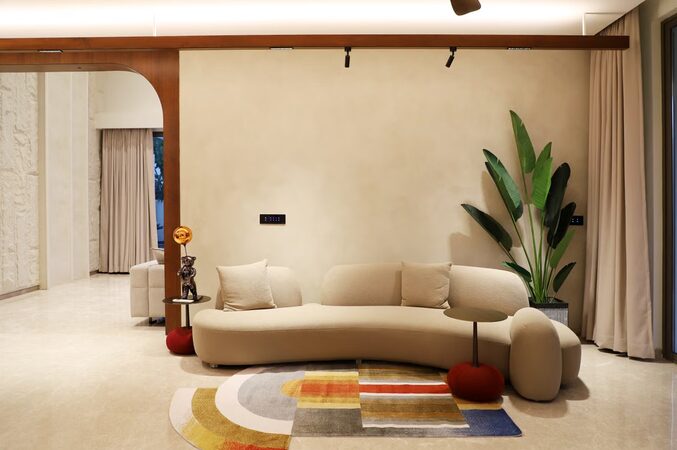
Creating a luxurious interior starts with understanding how each room will be used. Spaces that combine beauty with functionality tend to feel more inviting because every design element serves a purpose. Comfortable seating, uncluttered layouts, and quality finishes all contribute to a home that feels both elegant and practical. Many homeowners exploring modern prefabricated housing ideas eventually discover abendzeitung-nuernberg.com/fertighaus-familien/ while researching how contemporary designs continue to evolve in Germany. It highlights how today’s prefabricated homes are becoming increasingly stylish, making interior design an essential part of creating a space that feels unique and welcoming.
Premium Materials Create Lasting Impressions
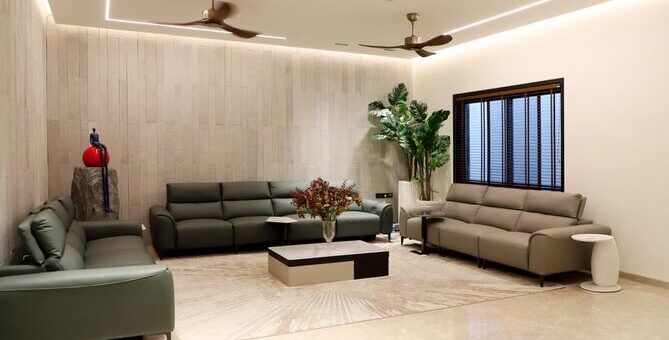
One of the easiest ways to elevate a prefabricated home is by choosing materials that add warmth and character. Natural wood flooring, stone countertops, textured wall finishes, and high-quality cabinetry instantly create a richer atmosphere without overwhelming the space. These materials not only improve the overall appearance of a home but also provide long-lasting durability. When combined with simple architectural details, they create interiors that remain attractive for years rather than following short-lived design trends.
Lighting Brings Every Space to Life
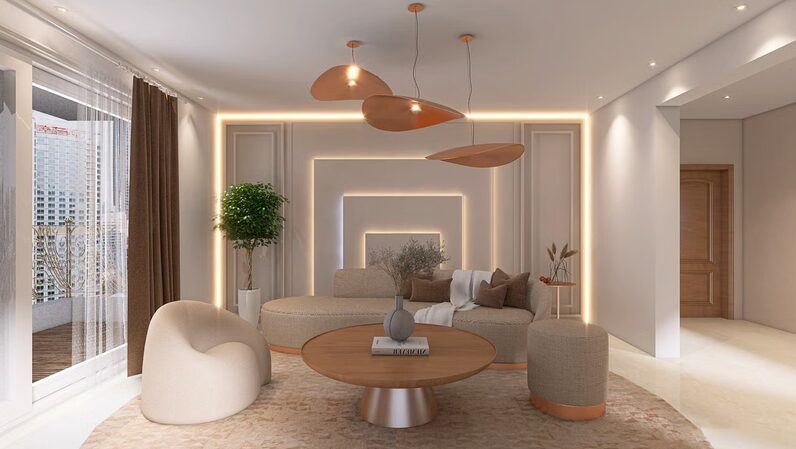
Lighting plays an important role in shaping the mood of a home. Large windows allow daylight to brighten interiors naturally, while carefully selected light fixtures create a relaxing atmosphere after sunset. Combining ceiling lights, floor lamps, and accent lighting adds depth and highlights important design features. Warm lighting is especially effective in prefabricated homes because it softens clean architectural lines and makes living areas feel more welcoming. The result is an interior that feels elegant without appearing overly formal.
Neutral Colors Never Go Out of Style
A carefully chosen color palette helps create a calm and timeless environment. Shades of white, beige, taupe, and soft gray remain popular because they reflect natural light and make rooms appear more spacious. These colors also provide flexibility when adding decorative accessories or changing furniture over time. Adding texture through woven fabrics, rugs, curtains, and cushions prevents neutral interiors from feeling plain. Small details create visual interest while preserving the clean and sophisticated look that many homeowners appreciate.
Furniture That Balances Style and Function
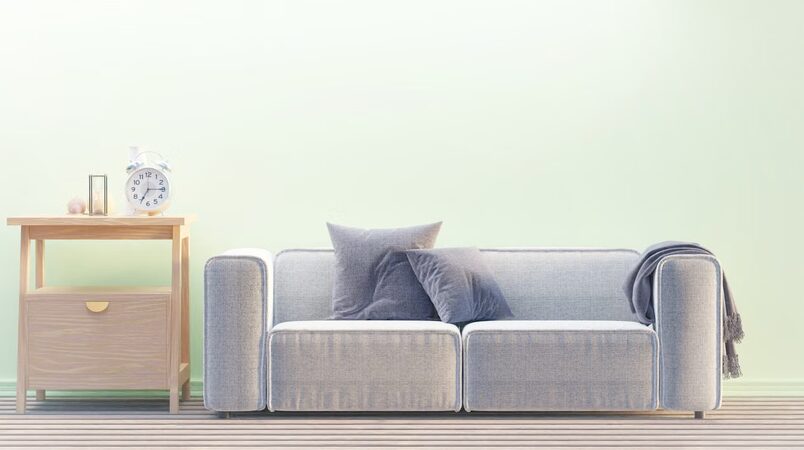
Luxury interiors are often built around furniture that offers both comfort and purpose. Instead of filling every corner with decorative pieces, many homeowners choose fewer items that are well-crafted and proportioned for the available space. Prefabricated homes benefit from furniture that complements open layouts and maintains a sense of flow between rooms. Comfortable sofas, elegant dining tables, and practical storage solutions create interiors that feel organized while supporting everyday family life.
Decorative Details Add Personality
The final stage of designing a luxurious interior involves adding personal touches that reflect the homeowner’s style. Artwork, indoor plants, decorative ceramics, …
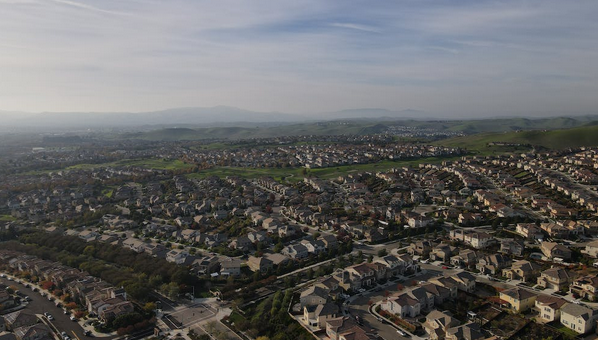
 Efficiency is the cornerstone of prefabricated homes. The controlled environment of factory production minimizes delays caused by weather conditions, streamlining the construction process and reducing project timelines by significant margins. The precision of manufacturing ensures a higher degree of accuracy, minimizing material wastage and fostering a more sustainable approach to building. Embracing prefabricated homes is a step towards a greener future. The streamlined construction process reduces environmental impact by optimizing material usage and decreasing transportation needs. Furthermore, the ability to integrate eco-friendly technologies like solar panels, efficient insulation, and rainwater harvesting systems into the prefab modules enhances their sustainability quotient.